Human herpesvirus 6 HHV-6 is a recently discovered virus that on the basis of serologic evidence appears to infect most children by the age of three years. Human herpesvirus 6 HHV-6 has the following characteristics except.

What Is Hhv 6 Hhv 6 Foundation Hhv 6 Disease Information For Patients Clinicians And Researchers Apply For A Grant
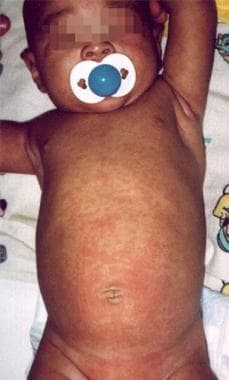
A rash appears on the fourth day.
. As with other herpesviruses reactivation of HHV-6 can present with severe complications in immunocompromised individuals. It causes roseola in infants. HHV-6 and HHV-7 belong to the Roseolovirus genus of the ß-herpesvirus subfamily.
It causes Kaposis sarcoma. HHV-6 was not grown from any follow-up blood sample. Appears as a mononucleosis-like illness in adults.
Human Herpes Virus 6 PCR. Real-time polymerase chain reaction PCR LOINC Map. The B variant is associated with exanthema subitum roseola infantum 6th disease characterised by fever and lymphadenopathy followed or not by a maculopapular rash.
Exanthem subitum complications including seizures hemiplegia meningoencephalitis or residual encephalopathy illustrate HHV-6 neurotropism. As it was the sixth herpesvirus isolated it was then subsequently renamed human herpesvirus 6. Appears as a mononucleosis-like illness in adults D.
This Human Herpesvirus 6 test looks for IgG antibodies which typically develop a few weeks after infection and can persist for the rest of a persons life. Transmitted by saliva and certain organ transplants. Two types of HHV-6 A and B can be identified.
Order Code Order Code Name Order Loinc Result Code Result Code Name UofM Result LOINC. This test is intended to be used as an aid in the diagnosis of infection with human herpesvirus 6 HHV-6. Median copy number of HHV-6 DNA was 3000 copiesml in cerebrospinal fluid CSF.
Replicates in T lymphocytes macrophages and salivary gland tissue B. Human herpesvirus 6 HHV-6 was initially discovered in blood lymphocytes of adults with lymphoproliferative diseases or AIDS and was labeled human B-lymphotropic virus. HHV-6 activation has been associated with various human diseases.
Causes roseola in infants C. HUMAN HERPESVIRUS-6 HHV-6 was first isolated from immunocompromised patients with lymphoproliferative disorders1 HHV-6 is divided into two subgroups HHV-6A and HHV-6B on the basis of reactivity with monoclonal antibodies and HHV-6specific T-cell clones and restriction enzyme cleavage patterns2-4 Recent studies have shown that HHV-6 induces biologic. Human herpesvirus infections are endemic and sexual contact is a significant method of transmission for several including both herpes simplex virus 1 and 2 HSV-1 HSV-2 also human cytomegalovirus HHV-5 and likely Karposis sarcoma herpesvirus HHV-8.
Their HHV-6 copy numbers in CSF had been higher than 10000 copiesml at the onset of myelitis. HHV-6 commonly invades the brain during ES. Human herpesvirus 6 HHV-6 has recently been identified as the agent associated with both pediatric and adult infections.
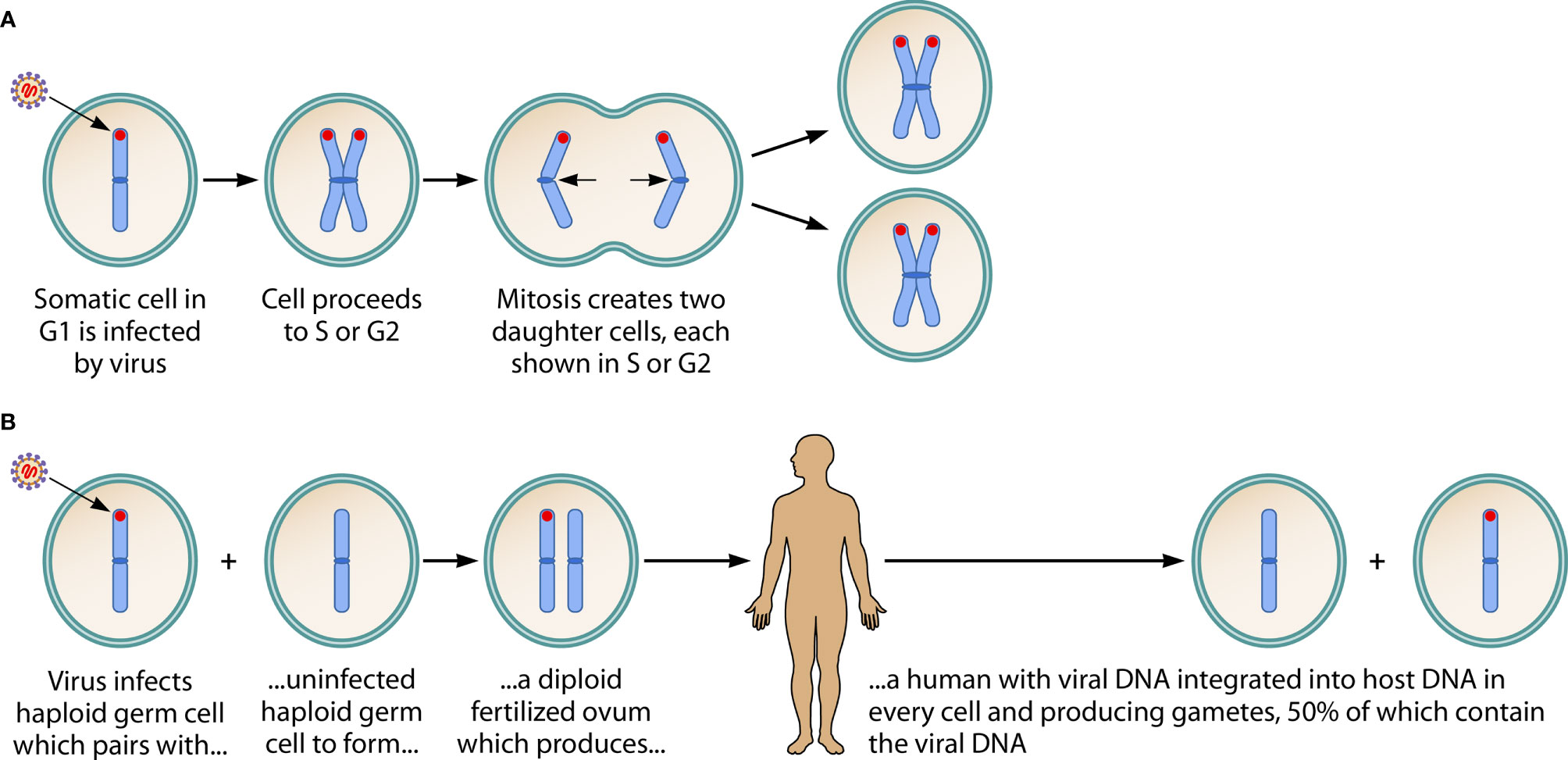
Primary infections produce variable febrile illnesses including roseola and are caused almost exclusively by one of the two strain groups namely variant B HHV-6B 1-4. Human herpesvirus 6 HHV-6 is the common collective name for human betaherpesvirus 6A HHV-6A and human betaherpesvirus 6B HHV-6B. Germ line inheritance of chromosomally integrated HHV-6.
They are prevalent in the human population. Primary infection of HHV-6 has been associated with exanthem subitum and febrile illness. It is a very rare form of herpesvirus.
A rash appears on the fourth day. Human herpesvirus 6 HHV-6 has the following characteristics except. Further research identified HHV-6 in CD4 lymphocytes and as a member of the herpesviruses.
Causes roseola in infants and young children. Little information is known about the clinical charac. Like most herpes viruses it has an owl eye appearance.
It is a very rare form of herpesvirus. Similarly to other herpesviruses HHV-6 is able to establish lifelong latency in the host following primary infection and reactivate in the event of immune suppression. Human herpesvirus 6 is a common childhood infection but for some people the virus is inherited through the germline from a 24000-year-old ancestor.
HHV-6 has been linked to a number of conditions including Multiples Sclerosis Viral Hepatitis Epilepsy Chronic Fatigue Syndrome Encephalitis and Lung disease. Human herpesvirus 6 HHV-6 and human herpesvirus 7 HHV-7 are relatively recently discovered beta-herpesvirus. 1 HHV-6 encephalitis is.
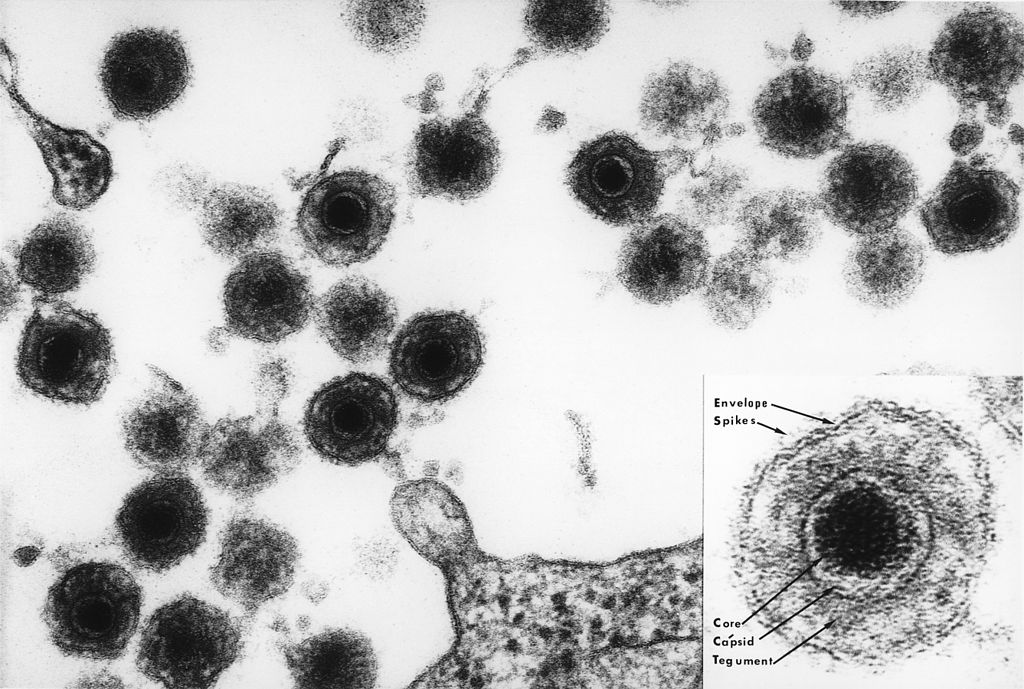
The virion particle is 160 nm to 200 nm and has the morphologic features typical of herpes virion particles a central core containing the viral DNA a 90-nm to 110-nm capsid and a tegument layer surrounded by a membrane. It appears as a mononucleosis-like illness in adults. After allogeneic hematopoietic stem cell transplantation HSCT human herpesvirus-6 HHV-6 can cause serious central nervous system CNS disorder and typically presents as.
Causes roseola in infants and young children. The acute infection in children is characterized clinically by an acute febrile illness irritability inflammation of tympanic membranes and uncommonly a rash characteristic of roseola. Roseolovirus or human herpesvirus 6 HHV-6 is a ubiquitous human pathogen infecting over 95 of the population by the age of 2 years.
Human Herpes Virus 6 PCR. However the clinical manifestations. Human herpesvirus 6A and 6B frequently acquires latency.
A positive test typically means that a person has been infected in. Three patients subsequently developed encephalitis in the clinical course of myelitis. No diseases have clearly been linked to HHV-6A infection whereas HHV-6B is responsible for the childhood disease exanthem subitum.
Human herpesvirus 6 HHV6 a Tlymphotropic enveloped double stranded DNA virus of the Herpesviridae family can be divided into two major variants designated A and B. These closely related viruses are two of the nine known human herpesviruses herpesviruses that have humans as their primary host. Human herpesvirus 6 HHV-6 is a ubiquitous virus causing infection in early childhood essentially infecting everyone by 3 years of age 1-3.
It replicates in T lymphocytes macrophages and salivary gland tissue. Starts with a high fever. Human herpes virus-6 HHV-6 infects 90100 of individuals during early childhood1 HHV-6A and HHV-6B differ in their genomes biological and immunological characteristics epidemiology and association with diseases2 Infection or reactivation is well described in the immunocompromised host population3 Reactivation occurs in up to 50 of allogeneic.
The most common symptoms were pruritus pain of the extremitiesback and numbness. Human herpesvirus 6 HHV-6 has the following characteristics except. HHV-6A and HHV-6B are double-stranded DNA viruses within the Betaherpesvirinae.
Causes Kaposis sarcoma E. 1 HHV-6 reactivation is especially common following hematopoietic stem cell transplantation HSCT resulting in delayed engraftment 7 fever rash hepatitis pneumonitis and encephalitis. Most children have been infected by age three.
Starts with a high fever. Appears as a mononucleosis-like illness in adults. The only evidence of a possible reactivation in children with HHV-6 infection was a second fourfold increase in.
HHV-6 species are divided into two variants. An electron micrograph of human herpesvirus 6 HHV-6 including an insert of the mature virus particle. Human herpesvirus 6 HHV-6 has the following characteristics except A.
Human Herpesvirus 6 7 Concise Medical Knowledge
Frontiers Human Herpesviruses 6a And 6b In Reproductive Diseases Immunology
Human Herpesvirus 6 Hhv 6 Infection Clinical Presentation History Physical Examination


0 Comments